
SOFTWARE DATABASE / RELEASE RECORD
VERSION 1.35Launch9 MED9 VAG MED9 Launch Control File Editor 1.35
Offline Windows launch-control file editor for selected VAG 2.0L TFSI MED9 / MPC562 binaries, with speed, ATDC timing, ignition-cut and clutch-switch settings for motorsport use.
Categories
Vehicle references
Overview
Launch9 MED9 1.35 is an offline Windows binary patcher for adding a configurable launch-control routine to selected VAG petrol ECU software.
The interface exposes vehicle-speed activation, an ATDC activation threshold, ignition timing after top dead center, ignition-cut RPM, clutch-switch behavior and an optional scrambled customer identifier before applying the routine to a working file.
The application is explicitly marked for racing use only. It is not a map definition, flasher or checksum guarantee. Identify the exact ECU hardware, processor, flash layout and software revision before considering a patch.
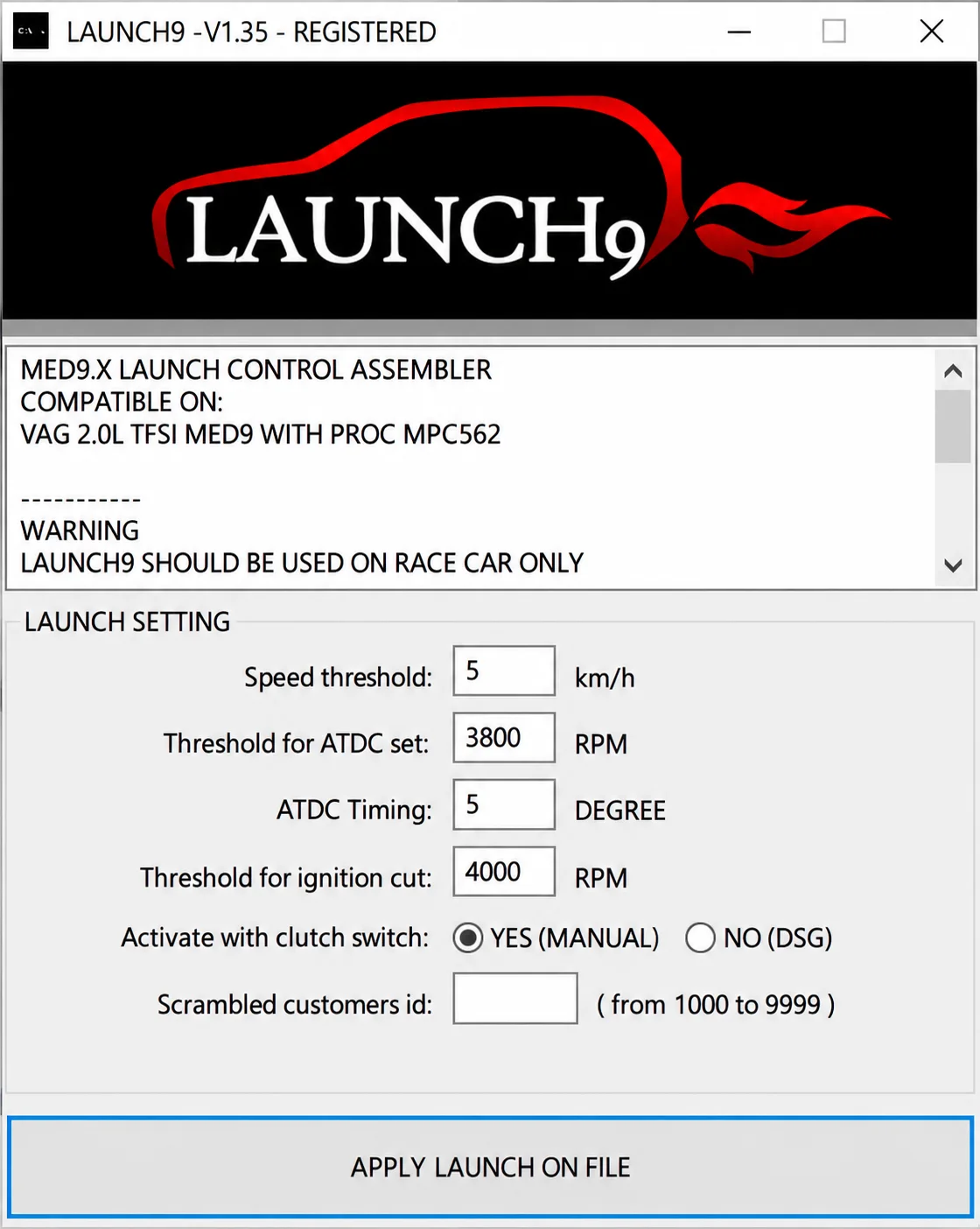
Launch9 V1.35 configuration screen with its original racing-use warning, launch settings, manual / DSG clutch-switch choices and APPLY LAUNCH ON FILE control.
What This Resource Is For
Specialist off-road or motorsport calibration work using a verified supported full binary and a documented recovery route. Launch9 applies the code routine; calibration safety, checksum handling, clutch-input validation and final flashing remain separate engineering tasks.
Confirmed Functions
- Open a local MED9 binary file.
- Configure the routine's vehicle-speed threshold.
- Set the requested ignition timing after top dead center.
- Set the ignition-cut engine-speed threshold.
- Choose clutch-switch behavior where supported.
- Apply the assembled routine to a copy of the loaded file.
- Embed the visible scrambled customer-identifier option where required.
Configuration Controls
The interface identifies itself as a MED9.X LAUNCH CONTROL ASSEMBLER for VAG 2.0L TFSI MED9 WITH PROC MPC562. It displays these configuration fields and example values:
| Control | Value shown in the preview |
|---|---|
| Speed threshold | 5 km/h |
| Threshold for ATDC set | 3800 RPM |
| ATDC Timing | 5 DEGREE |
| Threshold for ignition cut | 4000 RPM |
| Activate with clutch switch | YES (MANUAL) selected; NO (DSG) unselected |
| Scrambled customers id | Empty; displayed range 1000–9999 |
These are the values shown in the supplied interface preview, not recommended or validated settings for a particular engine. The screen includes a separate ATDC-set RPM threshold as well as the ignition-cut threshold. The customer-ID field is empty in the preview.
The output action is labelled APPLY LAUNCH ON FILE. The warning states LAUNCH9 SHOULD BE USED ON RACE CAR ONLY.
Supported Vehicles, Controllers and Files
- The interface identifies VAG petrol MED9.x applications with the Motorola MPC562 processor.
- Bosch MED9.1 on VAG two-litre TFSI applications is commonly associated with MPC562 and external flash memory; that association alone does not validate a particular binary.
- Compatibility depends on the software layout and cannot be inferred from the MED9 name.
- Manual and automatic-transmission strategies can handle launch conditions differently.
- A correct full read, untouched original backup and controller-specific checksum method are mandatory.
Package Contents
- Launch9 application and companion loader.
- A configuration preview supplied with the utility.
- The package notes describe two unsigned native executables inspected statically without launch; this is an attributed preparation claim, not an independent ECUDB executable test.
- No ECU file, map pack, DAMOS, firmware collection or vehicle-specific calibration is included.
System, Hardware and Interface Requirements
- Windows tuning workstation or isolated virtual machine; exact supported Windows editions and architecture are unspecified.
- Known-good full ECU read from verified compatible MED9 hardware.
- Programmer supporting the exact MPC562 / external-flash controller.
- Checksum solution validated for the specific software revision.
- Wideband, knock and temperature monitoring with controlled closed-course test facilities.
Recommended Workshop Workflow
- Record the ECU part number, software ID, processor and original-file hash.
- Verify the clutch input and intended launch strategy against wiring and code.
- Apply the routine to a working copy using conservatively selected, engineering-reviewed thresholds.
- Compare the changed code regions and correct checksums with the validated method.
- Verify communication on the bench and retain boot / BDM recovery capability.
- Test only in a controlled motorsport environment while logging engine-protection channels.
Compatibility Limits and Responsible Use
- The utility does not prove that a loaded file is supported.
- Launch control increases thermal and mechanical stress on the engine, turbocharger, clutch and driveline.
- Incorrect timing or cut thresholds can damage components.
- Road-use, emissions and noise legality depend on jurisdiction.
- Do not flash an output if the changed regions or checksum behavior are not understood.
Troubleshooting
- File rejected: verify the full-read size, byte order and exact MED9 software family.
- Unexpected patch offset: discard the output and compare against another known original.
- Routine does not arm: verify speed and clutch signals in live data.
- ECU rejects the file: restore the exact original with a recovery-capable programmer.
- Unstable launch behavior: stop testing and review timing, fueling, torque intervention and hardware.
File Integrity and Safety Notes
The package-preparation notes report archive testing and extraction, testing of nested containers where present and static inspection of native executables without launching them. These are attributed preparation claims; ECUDB has not independently executed or tested the application.
Keep an immutable original, work on copies, independently check the package in an isolated environment and maintain a proven recovery route before vehicle or module writes. Audited hashes and file structure alone do not establish that an unsigned executable is malware-free.
Technical Compatibility
Supported Modules
Operating Systems
System Requirements
- Windows tuning workstation or isolated virtual machine; exact supported Windows editions and architecture are unspecified.
- Known-good full ECU read from verified compatible MED9 hardware.
- Programmer supporting the exact MPC562 / external-flash controller.
- Checksum solution validated for the specific software revision.
- Wideband, knock and temperature monitoring with controlled closed-course test facilities.
Screenshots
Related Software
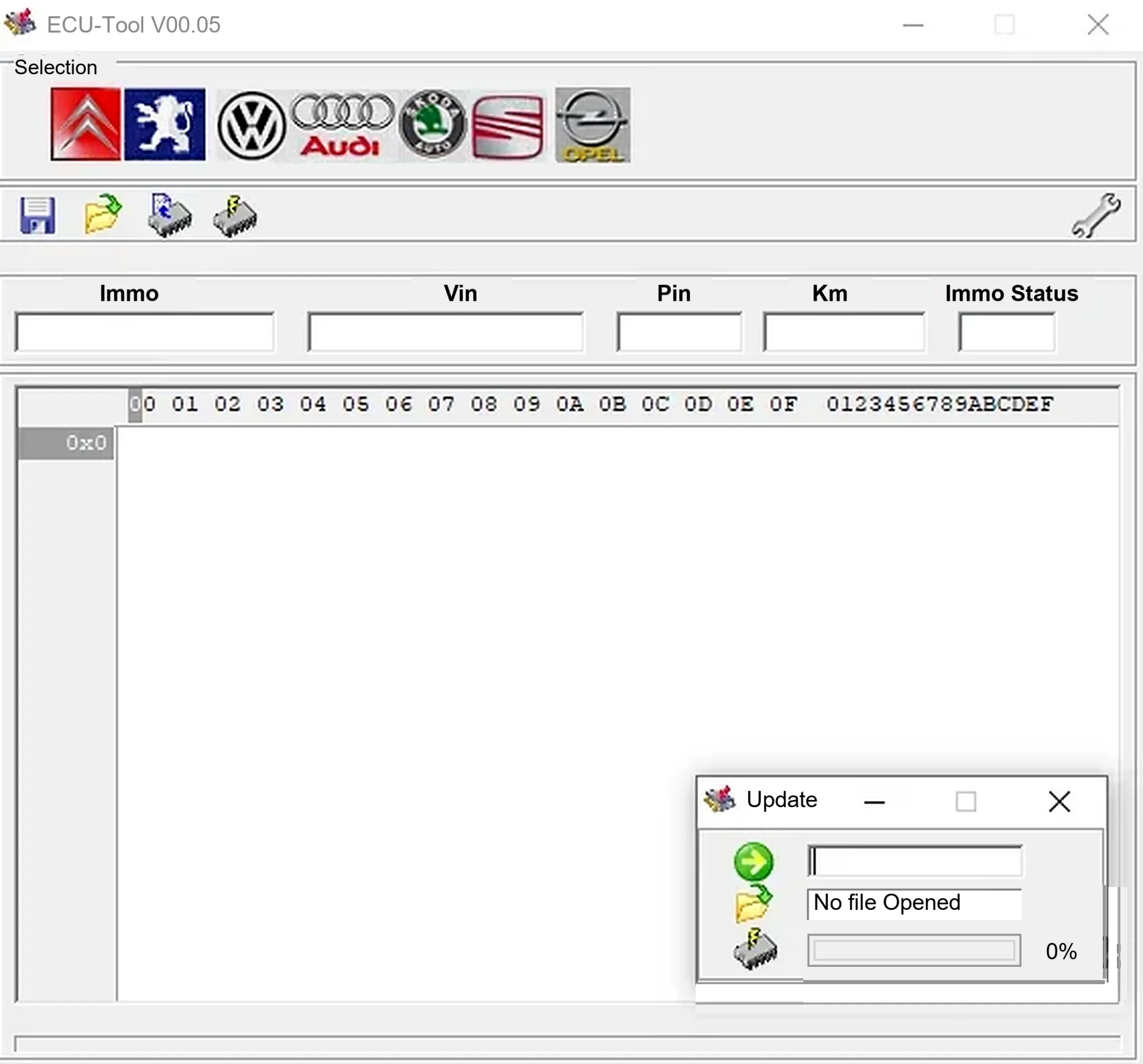
Legacy Windows ECU service software for supported VAG EDC15/ME7, PSA EDC15C2 and Opel Delco controllers, with profile-dependent PIN, identity and EEPROM functions through a matching interface.
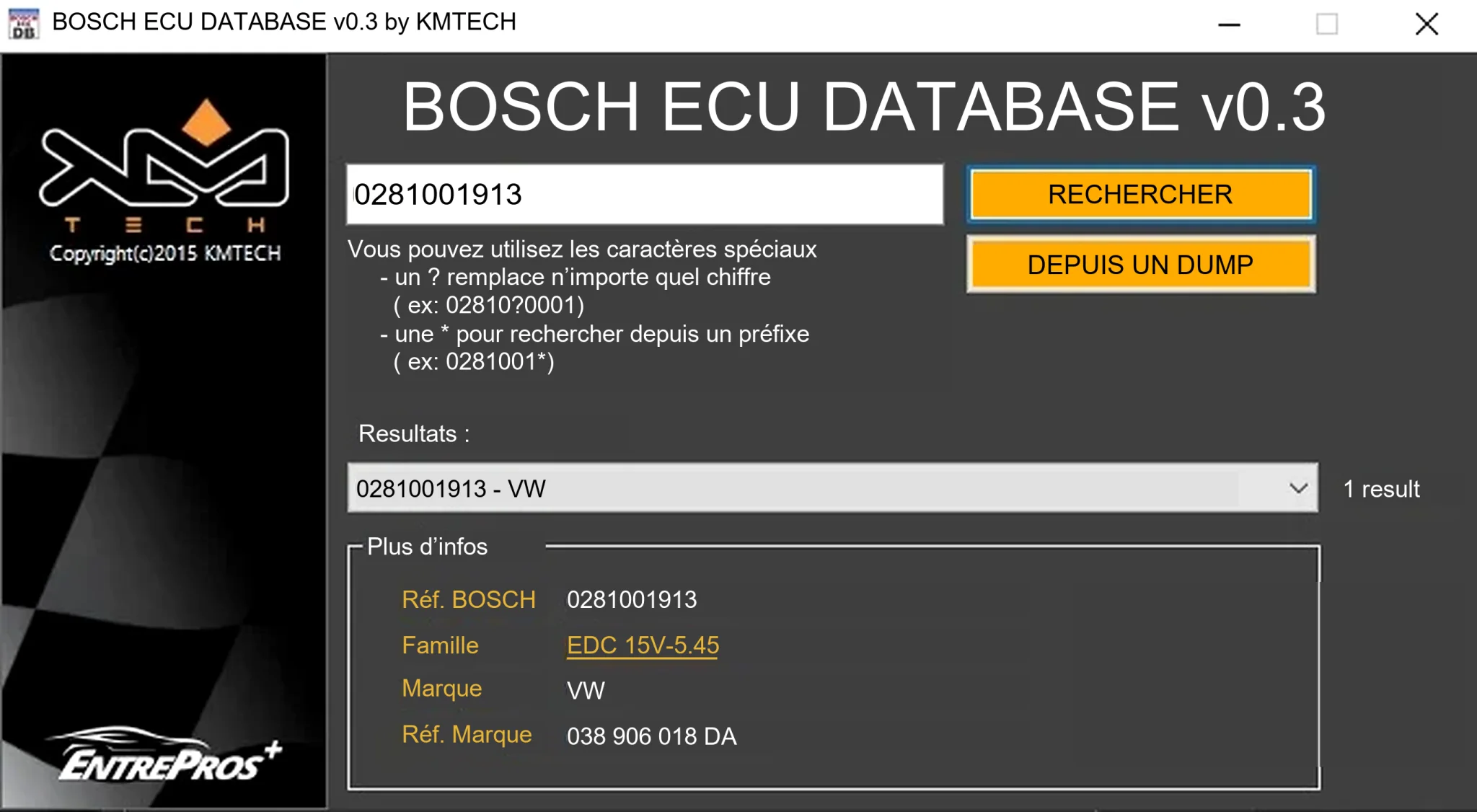
Offline Windows reference tool for Bosch ECU part numbers, controller families and OE cross-references, with exact, wildcard, prefix and binary-dump identifier searches.
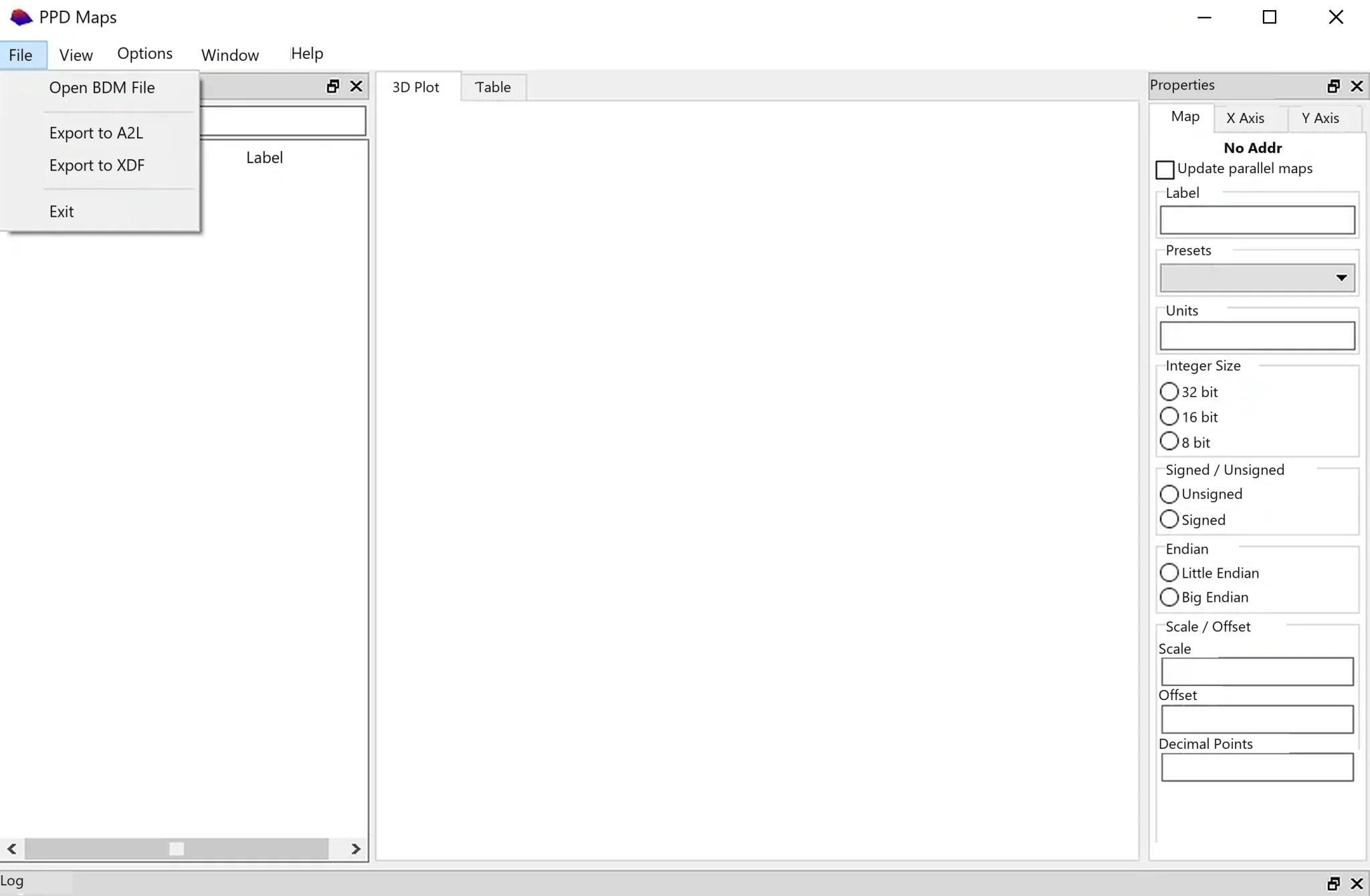
Windows map and axis detection for supported Siemens PPD/SID full BDM binaries, with table and 3D views, DTC analysis and XDF/A2L definition export.
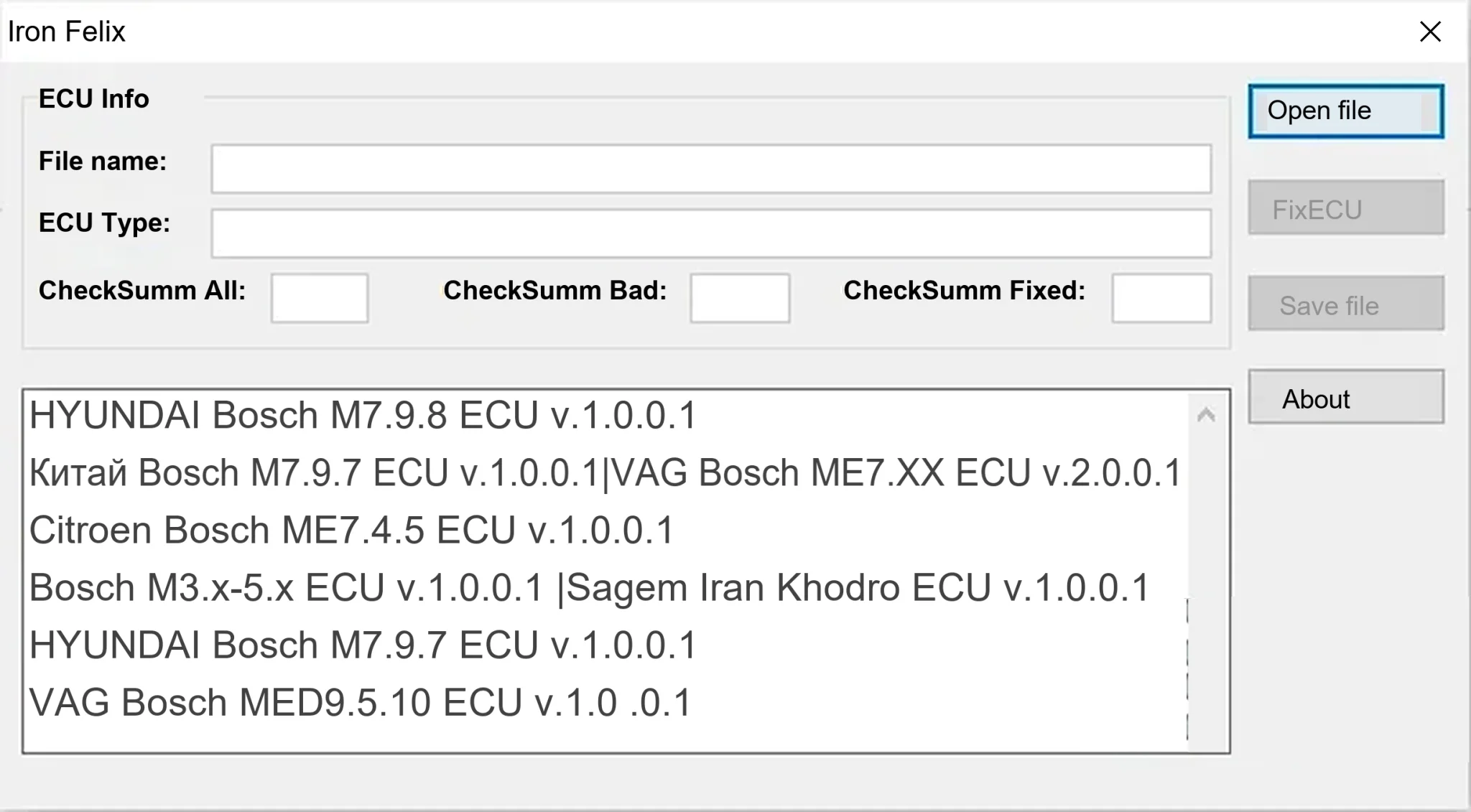
Offline Windows checksum inspection and correction for recognized Bosch and Sagem petrol ECU binaries, with eight supplied modules and All, Bad and Fixed counters.
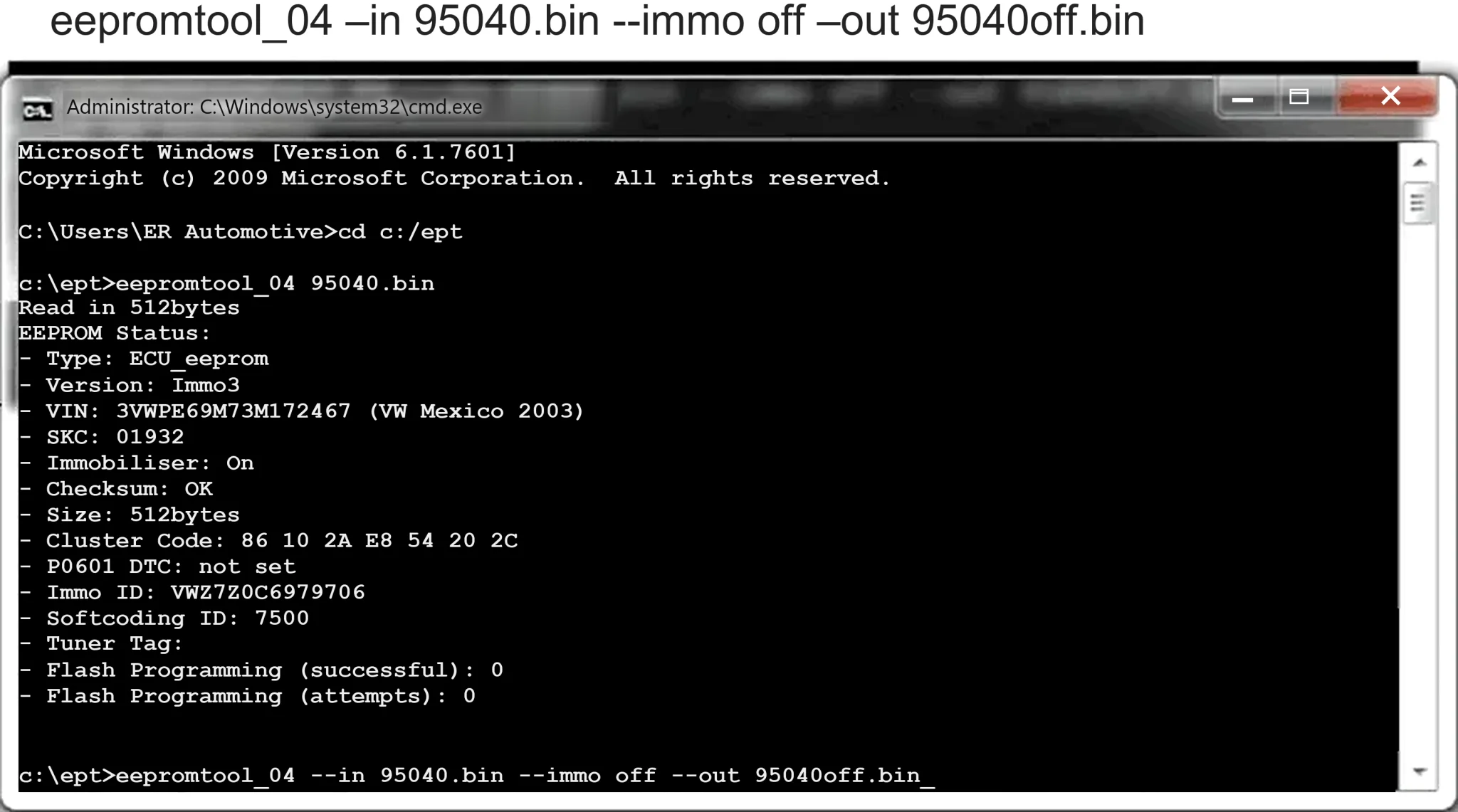
Offline Windows command-line decoder and editor for supported Bosch ME7.5 ECU and VAG instrument-cluster EEPROM files, primarily 1.8T Immobilizer III.
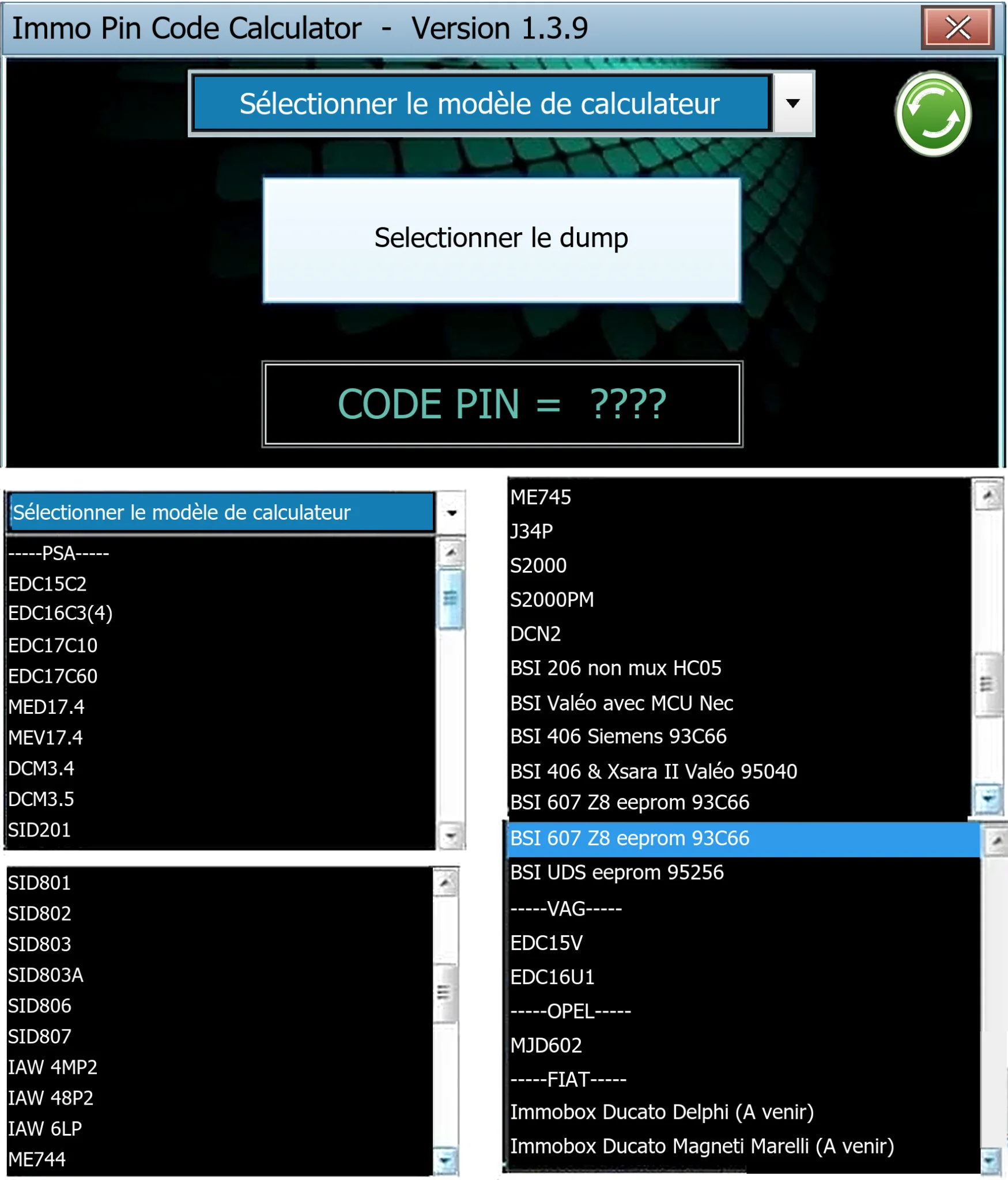
Offline Windows PIN decoder for supported Peugeot/Citroën ECU and BSI dumps, with additional Volkswagen EDC15V/EDC16U1 and Opel MJD602 profiles.