
SOFTWARE DATABASE / RELEASE RECORD
VERSION 1.0.0.0H&S Tuner Unlocker Bundle - Ford, Dodge & GM Password Tools 1.0.0.0
Offline Windows calculator bundle for authorized service of legacy H&S tuners, with separate Ford, Dodge/Ram and GM code workflows and product-specific reset or authorization fields.
Categories
Vehicle references
Overview
H&S Tuner Unlocker Bundle 1.0.0.0 brings together offline Windows calculators for authorized service of older H&S Performance diesel programmers. The included tools address Ford, Dodge/Ram and GM code workflows, including VIN-lock reset, product unlock and selected transmission/tune authorization fields.
The calculators neither connect to a truck nor inspect a tuner automatically. Required device identity and root/unlock information must be obtained from the physical H&S unit and an ownership-verified service record. The chosen utility must match the device generation and its currently locked vehicle family. A calculated result alone does not establish that resetting is safe or that the unit supports a different truck.
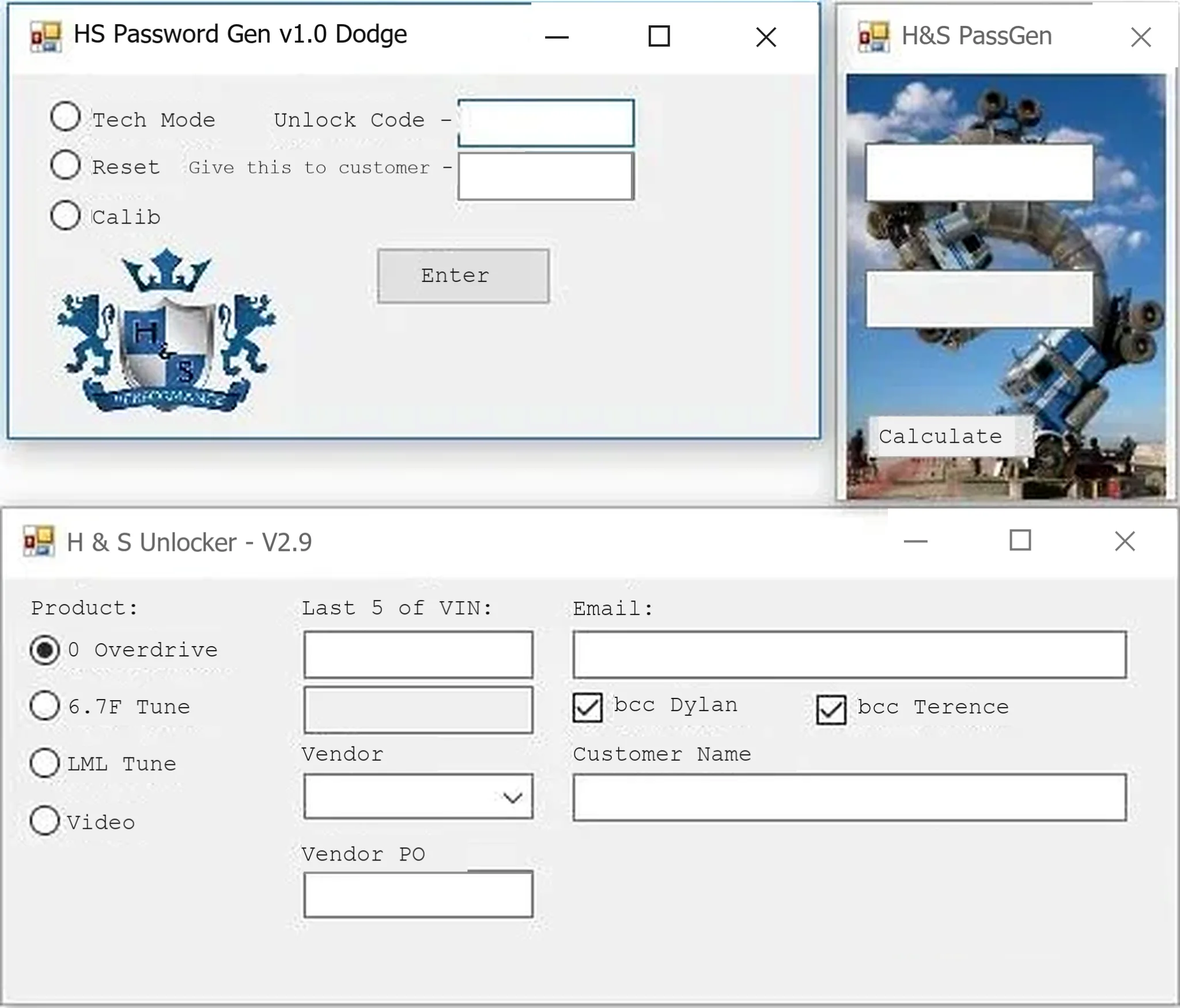
Utilities included in the bundle
- Dodge 6.7 password generator: technician, reset and calibration-related interface modes.
- Ford H&S PassGen: a two-field calculator for the matching Ford/H&S workflow.
- GM utility: a separate executable documented for GM tuner service.
- Transmission/tune unlock utility: product selection, last five VIN characters, vendor/customer and associated authorization fields.
The package notes describe an older H&S Updater with inactive vendor and Java-related network references. That updater was excluded because offline calculation does not require it. If the device needs storage or firmware service, use a separately verified, device-specific SD-card or firmware procedure.
H&S device families and compatibility boundaries
Documented H&S device families include Mini Maxx, XRT Pro and Black Maxx, with generation-specific reset and VIN-lock workflows. Original hardware, later V2 devices, street/race firmware and custom MCC configurations can differ in their procedures and expected code formats.
- Record the product, hardware revision, serial number, software and tuning versions from Show Settings.
- Establish the vehicle family to which the device is currently locked, not just the intended next vehicle.
- Distinguish VIN-lock reset from feature, transmission, video or calibration authorization.
- Keep numeric root-code workflows separate from those expecting alphanumeric inputs.
- Stop if serial information is missing, settings are corrupt, unexpected restarts occur or the menu sequence differs.
This bundle does not guarantee every H&S device or firmware revision. If the physical unit does not show the fields required by a calculator, do not guess at substitutes.
Ford Power Stroke context
Original Mini Maxx documentation describes Ford applications and a settings screen containing vehicle/VIN information, ECM and TCM part numbers, device serial, hardware/software identifiers, tuning version and tune status. Preserve photographs of those pages before a reset.
Legacy families include 6.0L, 6.4L and early 6.7L Power Stroke, subject to the tuner's actual hardware and loaded firmware. The Ford calculator transforms code inputs only. It does not install calibrations, recover an ECM or verify that the vehicle was correctly returned to stock.
Dodge/Ram Cummins context
The package describes a dedicated Dodge 6.7 application and another executable associated with Dodge 6.7 transmission/tune functions. Legacy H&S product references include 5.9L and 6.7L Cummins and selected 48RE/68RFE transmission options; support still depends on configuration.
Before resetting, record the locked vehicle, VIN, ECM/TCM identification, tune status and any transmission software. Where required, verify a safe return to a compliant stock or documented calibration state. Removing the tuner while its programming remains installed can leave the truck and programmer in an uncertain state.
GM Duramax context
A separate GM executable is included; the documentation reports no embedded product-version metadata for that file. Legacy Mini Maxx material includes 6.6L Duramax applications such as LMM-era trucks. Later devices and firmware may operate differently.
Match the GM calculator to the actual device menu and service documentation. Badge or displacement alone is insufficient. Keep the tuner serial, root-code evidence, currently locked vehicle family, ECM/TCM part numbers and installed-state information in the private service record.
Root codes, VIN data and reset records
Numeric and alphanumeric code generations are distinct, and not every combination is supported. The lower window in the capture requests the final five VIN characters alongside product, vendor and customer information. Use genuine authorized job data for those fields.
- Photograph all Show Settings pages and establish the complete tuner identity.
- Verify lawful ownership and identify the associated vehicle.
- Confirm the current vehicle lock and whether the previous truck was returned to stock correctly.
- Keep the Ford, Dodge/Ram and GM executables and modes separate.
- Supply only the root, unlock or VIN information requested by the matching interface.
- Privately retain input evidence and the calculated result with the repair order before device entry.
- Follow the documented device reset procedure and stop when menus or warnings do not match.
- Afterward, verify serial number, application, firmware and stock-state information before another vehicle connection.
Do not publish full VINs, serial numbers, root codes or customer records. Device-specific identity and authorization evidence belong in the technician's private service file.
Avoiding a bricked or unusable tuner
Reset-service warnings describe failures on some Mini Maxx units with missing serial information or incompatible alphanumeric-code behavior. A calculator cannot assess damaged storage, corrupt firmware, counterfeit hardware or an interrupted earlier programming session.
- Maintain approved, stable USB or vehicle power throughout the specified procedure.
- Make a byte-for-byte microSD backup before changing storage contents.
- Do not interrupt power during reset, storage rebuilding or writing.
- Do not mix device-generation files or use arbitrary firmware packages.
- Stop for N/A serial information or inconsistent hardware identity and seek specialist recovery.
- Keep access to the original truck until both its stock state and the tuner's release are verified.
Emissions and legal use
This entry concerns ownership-verified device recovery and code calculation. It includes no calibration files and does not authorize bypassing emissions controls, inspection systems or safety requirements, even though some older diesel products offered related performance features.
Maintain compliant emissions equipment and approved calibrations on road vehicles, observing applicable requirements. A VIN reset must not conceal device history, unauthorized programming or uncertain ownership.
System requirements
- 32-bit or 64-bit Windows with support for legacy x86 desktop programs.
- Windows 7 as the period-appropriate baseline; Windows 10/11 may need legacy .NET Framework components and separately verified compatibility settings.
- Approximately 20 MB for utilities and private service records, rather than a confirmed archive download size.
- A normal keyboard/mouse desktop session; the calculators themselves need no vehicle communication interface.
- Physical access to the tuner and its Show Settings/root-code displays.
- A microSD reader and verified backup process if storage service is performed separately.
- No internet connection required for the four retained calculators.
Assess unsigned legacy applications on a dedicated workstation or disposable VM with current security tools. Do not globally disable endpoint protection to run them.
Troubleshooting
- Generated code is rejected: verify generation, numeric/alphanumeric format, locked vehicle family, utility and mode.
- Required fields are unclear: check Show Settings and the original manual. Do not use another truck's VIN or identifiers.
- Tuner is still married to the previous truck: establish whether return-to-stock was completed and distinguish VIN reset from a feature unlock.
- Device has no serial or black-screens: stop repeated code entry and obtain qualified hardware/firmware recovery.
- Windows blocks an executable: inspect it independently in isolation; do not whitelist an entire download directory.
- Updater is absent: its omission is intentional. Back up the microSD and verify any separately obtained firmware against the exact device.
Package audit and responsible use
The package documentation reports testing and extracting the original RAR and statically inspecting five unsigned executables. Four offline utilities were retained, while only the obsolete network-capable updater was omitted. It states that none was executed during preparation because a genuine capture already showed the Dodge generator, H&S PassGen and multi-product window. These are reported package observations, not independent ECUDB executable tests.
The resource version is 1.0.0.0; individual windows retain their own version labels, including the lower unlocker's V2.9. Static checks do not establish malware-free software. Use only hardware you own or are authorized to service, keep identity evidence private and preserve complete before/after records. An uncertain device state calls for controlled recovery rather than repeated guesses.
Technical Compatibility
Operating Systems
System Requirements
- 32-bit or 64-bit Windows capable of running legacy x86 desktop applications.
- Windows 7 is the period-appropriate baseline; Windows 10/11 may require legacy .NET components and separate compatibility checks.
- Approximately 20 MB for utilities and private service records; not a confirmed download size.
- Keyboard/mouse desktop session; no vehicle interface required for the calculators themselves.
- Physical access to the H&S tuner, Show Settings and required device information.
- MicroSD reader and verified backup workflow if storage is serviced separately.
- No internet needed for the four retained offline calculators.
- Dedicated workshop computer or isolated assessment environment.
Screenshots
Related Software
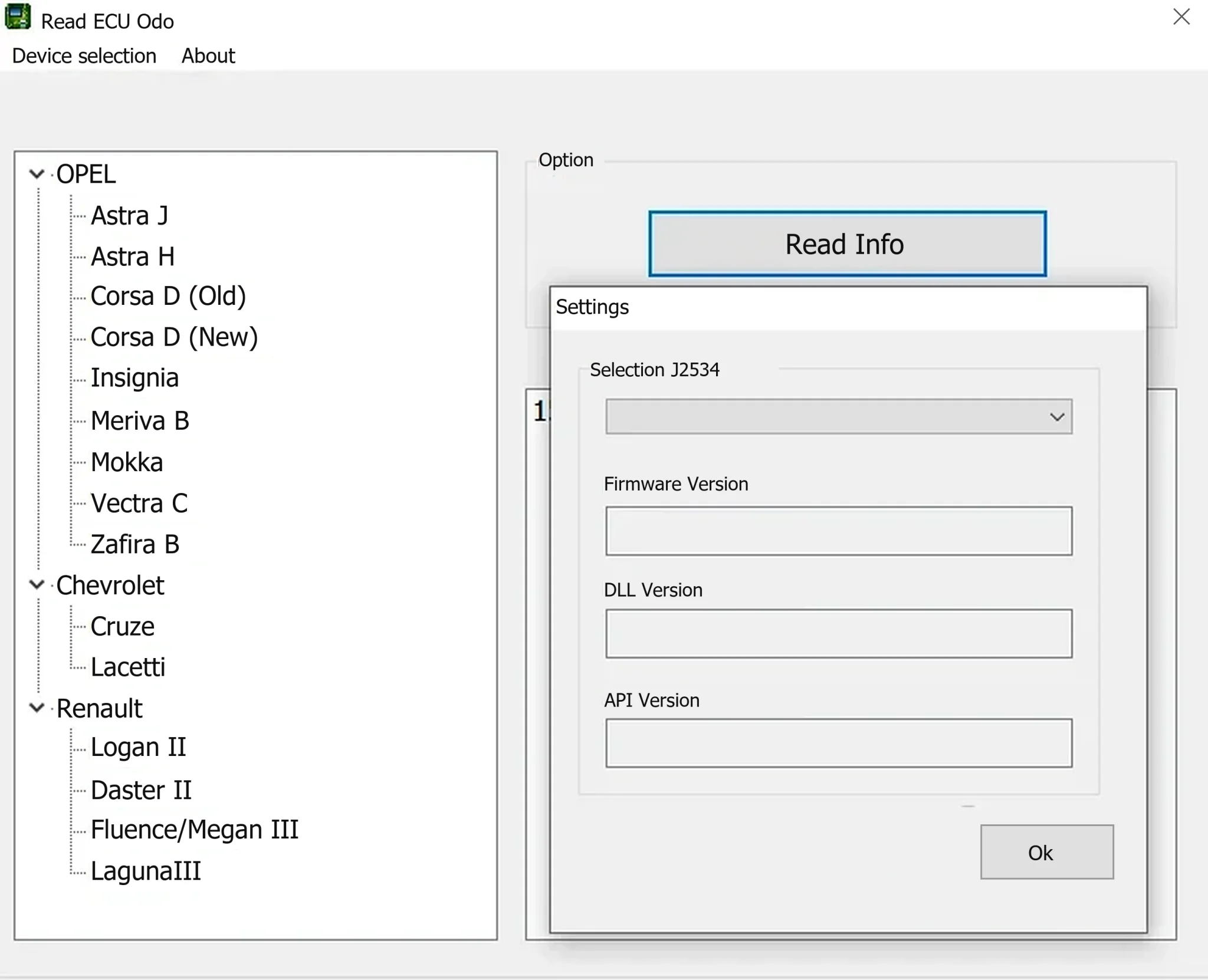
Windows J2534 utility for reading mileage-related information from selected Opel, Chevrolet and Renault/Dacia-platform controllers, with model-specific Read Info routines.
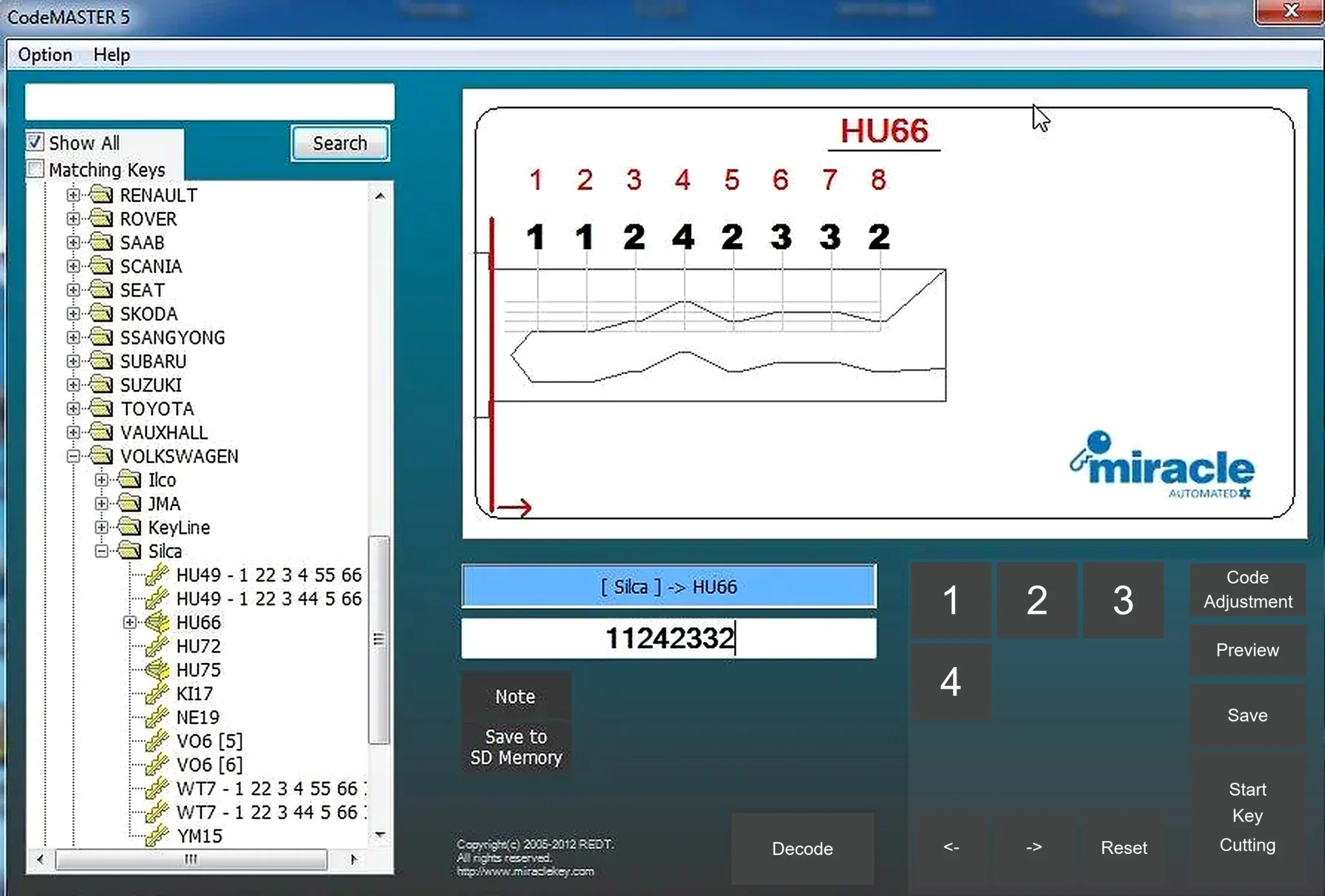
Windows automotive key database and cutting-control software for compatible Miracle machines, with profile search, bitting entry, blade preview and saved cutting jobs.
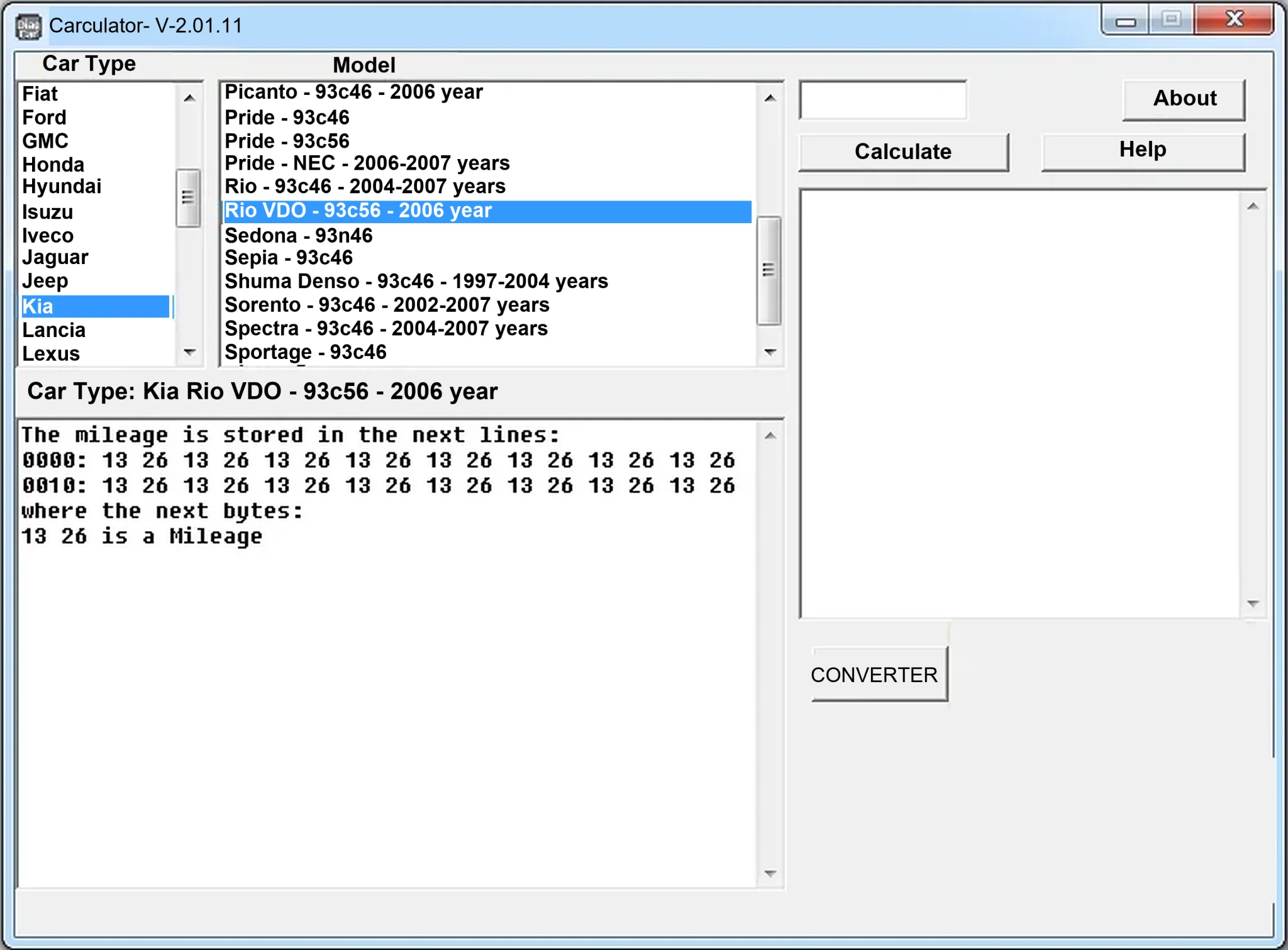
Offline Windows reference and calculation tool for supported dashboard, body-module and EEPROM/MCU mileage profiles, with memory information, byte locations and repair calculations.

Offline Windows reference tool for Bosch ECU part numbers, controller families and OE cross-references, with exact, wildcard, prefix and binary-dump identifier searches.
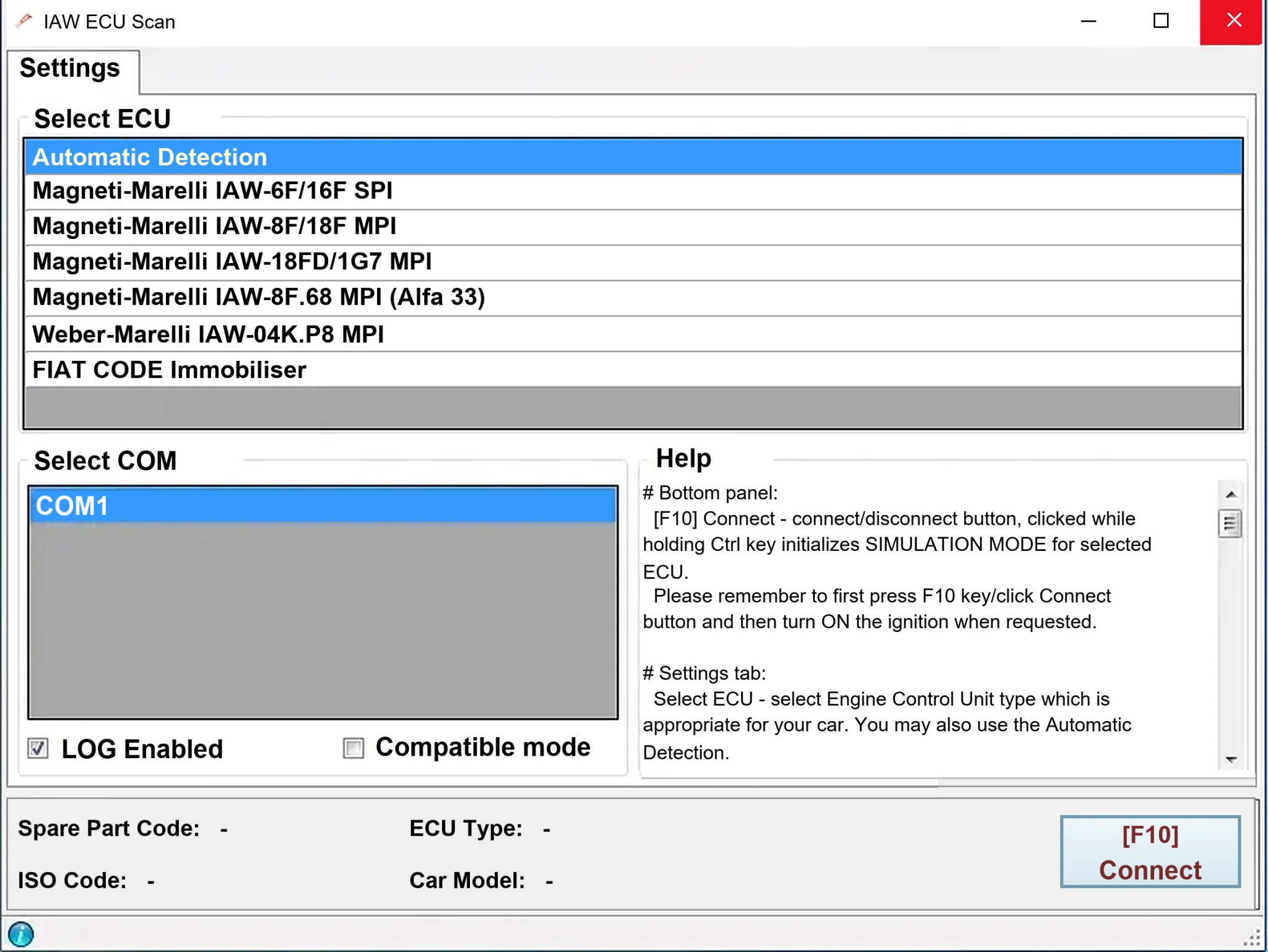
Windows diagnostics for selected legacy Magneti Marelli IAW ECUs in Fiat, Lancia and Alfa Romeo vehicles, using a KKL K-line interface for identification, faults and live data.

Windows map and axis detection for supported Siemens PPD/SID full BDM binaries, with table and 3D views, DTC analysis and XDF/A2L definition export.