
SOFTWARE DATABASE / RELEASE RECORD
VERSION 22.2.2424.1AutoEnginuity Giotto ScanTool OBD-II Diagnostics and Enhanced Module Platform 22.2.2424.1
Windows OBD-II diagnostics and licensed enhanced-module platform with DTCs, freeze frames, live-data graphs, XML/CSV logging and supported service functions.
Categories
Overview
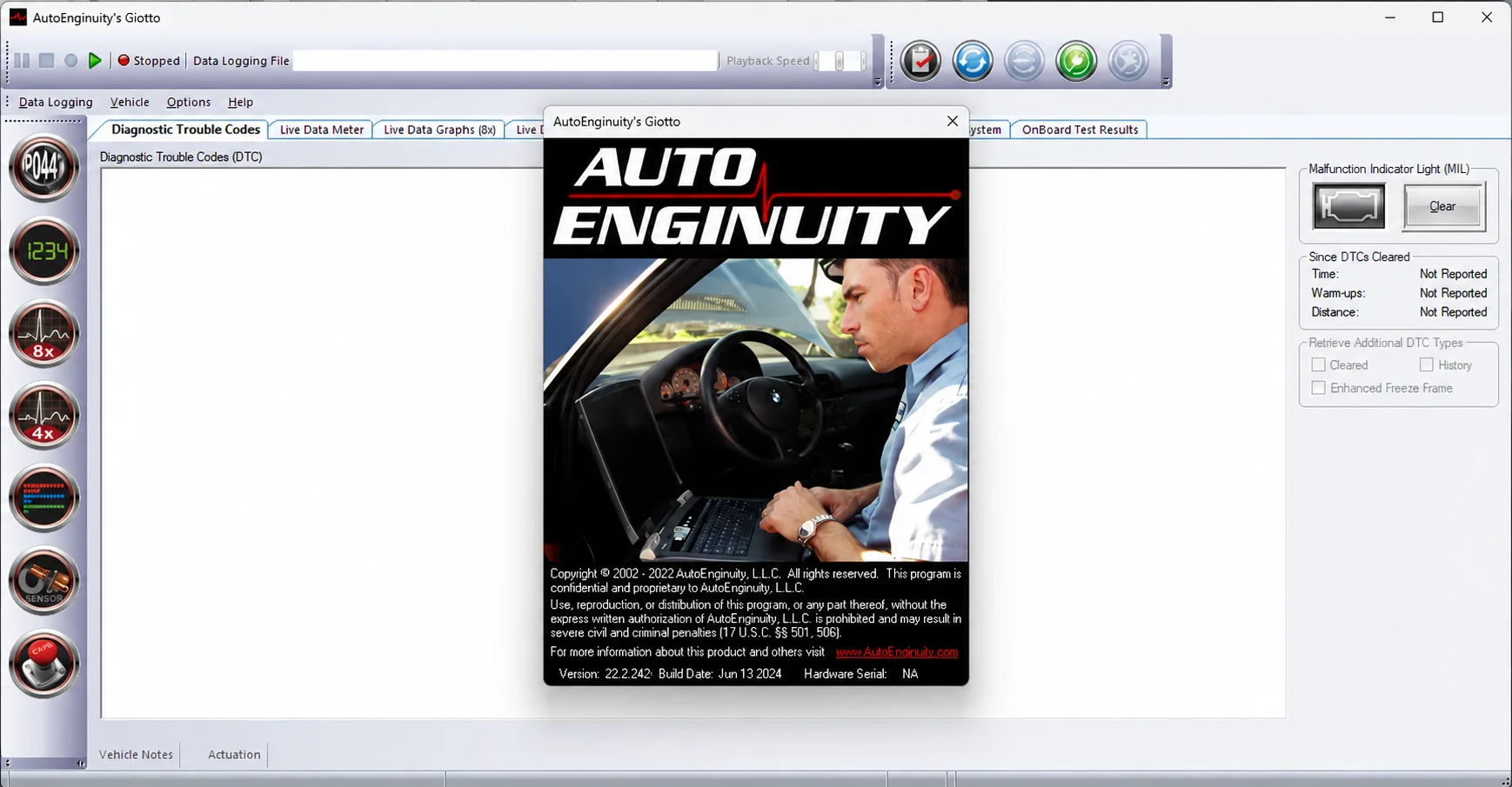
AutoEnginuity Giotto ScanTool is a Windows diagnostic platform that combines generic OBD-II testing with optional manufacturer-enhanced coverage. Its workspace brings together DTCs, freeze-frame information, live-data meters and graphs, onboard monitor results, logging, reports and supported service functions.
Generic emissions diagnostics and enhanced controller access are different coverage levels. ABS, airbag, transmission, body and chassis access, coding, resets and bidirectional tests depend on compatible AutoEnginuity or supported J2534 hardware, licensed enhancements, vehicle networks and model year. A visible menu is not proof that a function is available on every vehicle.
What This Resource Is For
Identify the vehicle, scan supported controllers and preserve DTC and freeze-frame evidence before evaluating live measurements. Then use only the supported system tests needed to confirm the repair. XML or CSV log sessions can be reviewed offline and retained with the workshop record.
Confirmed Functions
- Read stored and pending P, U, B and C trouble codes within the available coverage.
- Read freeze-frame records and clear supported emissions fault information and the Check Engine indicator.
- View live sensor measurements in meter, grid and multi-trace graph layouts.
- Inspect oxygen-sensor results, inspection/maintenance readiness and Mode 6 monitor data.
- Record sensor sessions in XML or CSV and replay saved logs away from the vehicle.
- Read ECM identification, calibration identifiers and calibration-verification information where the controller reports them.
- Perform generic or enhanced bidirectional tests, adaptive resets and relearns when the necessary expansion and hardware support the operation.
Supported ECUs, Vehicles and Protocols
- Generic OBD-II access applies to compliant 1996-and-newer North American passenger vehicles and corresponding EOBD applications, rather than every vehicle worldwide from that year.
- Compatible interfaces support SAE J1850 PWM and VPW, ISO 9141-2, ISO 14230 KWP2000 and 11-bit or 29-bit CAN.
- Manufacturer enhancements can provide access to engine, transmission, ABS, airbag, instrument-cluster, body and chassis controllers.
- The supplied offline release notes document Domestic, Asian and European vehicle and module changes through the release period.
- J2534 operation, CAN-FD, DoIP, secure gateways and newer systems require explicitly compatible hardware and licensing; their presence is not implied for every connector or this package.
- JDM and heavy-duty vehicles may use different compliance rules or expose limited generic data. Verify coverage for the exact application.
Package Contents
- The main InstallShield setup executable.
- A companion Giotto application executable.
- Detailed offline release notes describing vehicle and module changes.
- PDF setup and activation documentation retained with the functional package.
- An extraneous copy instruction is documented as excluded from the prepared package.
- Package documentation reports static examination of the executables without launching them; ECUDB has not executed these files.
System and Interface Requirements
- Windows 7, 8, 8.1, 10 or 11.
- At least 400 MB of free drive space and 100 MB of memory for the application itself; these figures are not the complete Windows workstation requirements.
- One available USB port with USB 2.0 support.
- Compatible AutoEnginuity OBD-II, ProLine or ProLine VCI hardware, or supported J2534 hardware for applicable operations.
- The correct manufacturer-enhancement licences for access beyond generic OBD.
- Stable vehicle battery voltage and an approved maintainer for extended scans, calibrations and service functions.
Recommended Workshop Workflow
- Check the connector type, firmware, licensed enhancements and vehicle coverage before starting.
- Connect with the ignition in the required state and save the vehicle identification.
- Run a full initial scan and retain DTC, freeze-frame and readiness reports.
- Resolve power, ground, network and battery-voltage issues before attempting active tests.
- Graph related sensors together and compare commanded values with actual measurements.
- Run one supported bidirectional test or relearn at a time, recording its result.
- Rescan after the repair and retain before-and-after logs with the work order.
Compatibility Limits
- The software package does not include the physical vehicle interface or establish that enhanced licences are present.
- Generic OBD-II mainly covers emissions-related powertrain information, not every module in the vehicle.
- Enhanced functions vary by manufacturer, model, year, controller, connector generation and subscription status.
- Clearing a code or performing a reset does not repair the underlying mechanical, electrical or network fault.
- Secure-gateway access, programming and calibration may require current authorization or newer compatible hardware.
Troubleshooting
- Connector not detected: inspect DLC power and grounds, USB power, cable and driver status, and check whether another application is using the interface.
- Only generic engine data is available: verify the relevant enhancement licence and manufacturer support in the connector.
- A module cannot be identified: check vehicle selection, protocol, ignition state and battery voltage.
- Live measurements freeze or drop out: reduce the sensor list, check USB stability and avoid supplying the laptop from a non-isolated vehicle inverter.
- An active test is unavailable: verify the exact controller variant and hardware capabilities; do not assume equivalent menus across model years.
File Integrity and Safety Notes
Package documentation describes archive extraction and testing, with static examination of executable files without running them. These are documented package-preparation claims, not independently performed ECUDB software or vehicle tests.
Preserve original ECU reads and diagnostic reports, work on copies and verify outputs before programming or service actions. Use stable power and a proven recovery procedure. An unsigned executable is not established as malware-free; inspect files in a dedicated analysis environment with current independent security tools.
Technical Compatibility
Supported Modules
Operating Systems
System Requirements
- Windows 7, 8, 8.1, 10 or 11
- At least 400 MB free drive space
- 100 MB memory for the application itself, in addition to operating-system requirements
- One USB port with USB 2.0 support
- Compatible AutoEnginuity OBD-II, ProLine or ProLine VCI interface, or supported J2534 hardware for applicable functions
- Correct licensed manufacturer enhancements for non-generic systems
- Stable vehicle battery voltage and an approved maintainer for prolonged scans and service procedures
Screenshots
Related Software
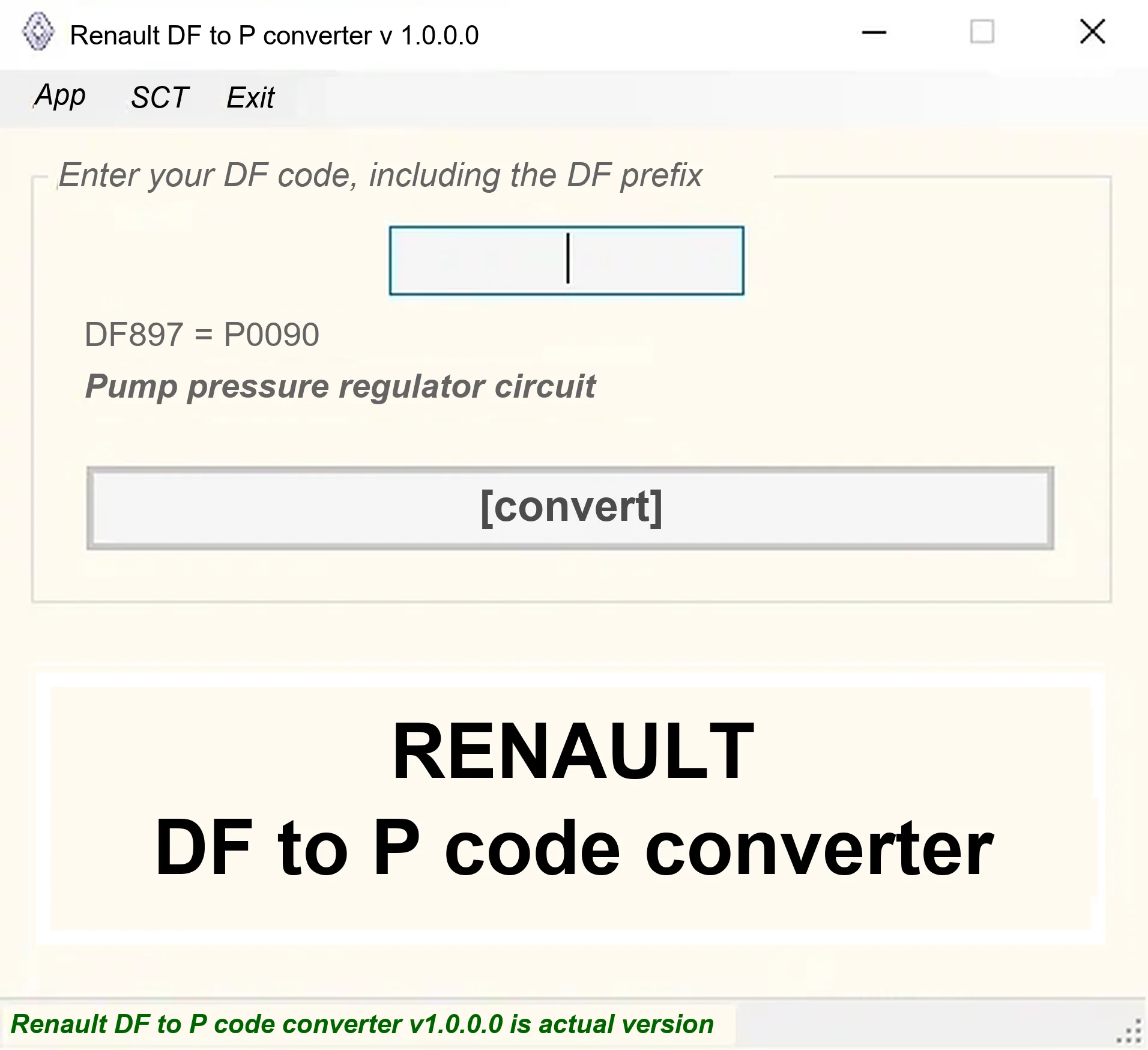
Offline Windows DF-to-P fault-code lookup for Renault diagnostic reports, with descriptions and a companion ECU Info number-prefix reference utility.
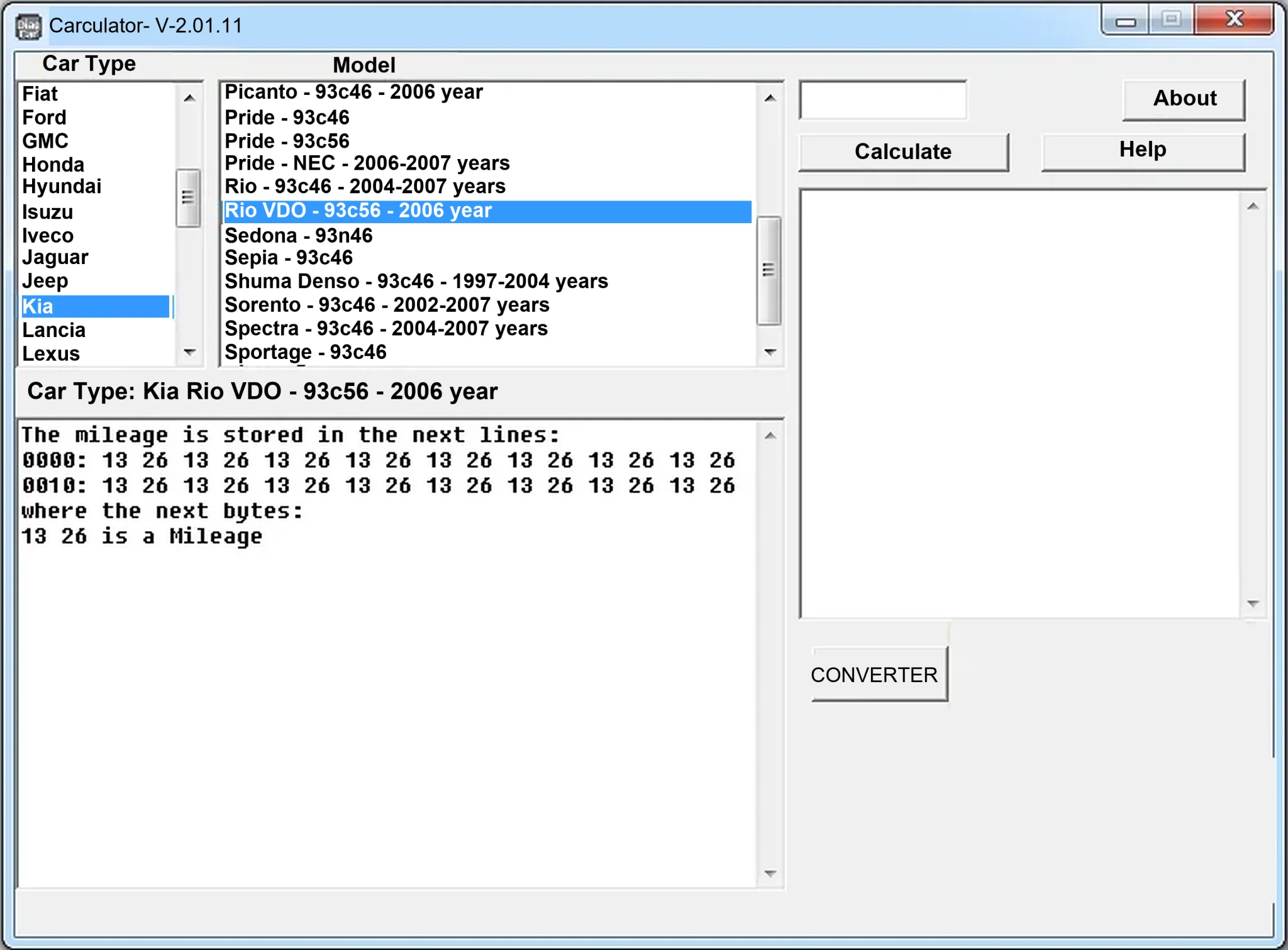
Offline Windows reference and calculation tool for supported dashboard, body-module and EEPROM/MCU mileage profiles, with memory information, byte locations and repair calculations.

Offline Windows reference tool for Bosch ECU part numbers, controller families and OE cross-references, with exact, wildcard, prefix and binary-dump identifier searches.
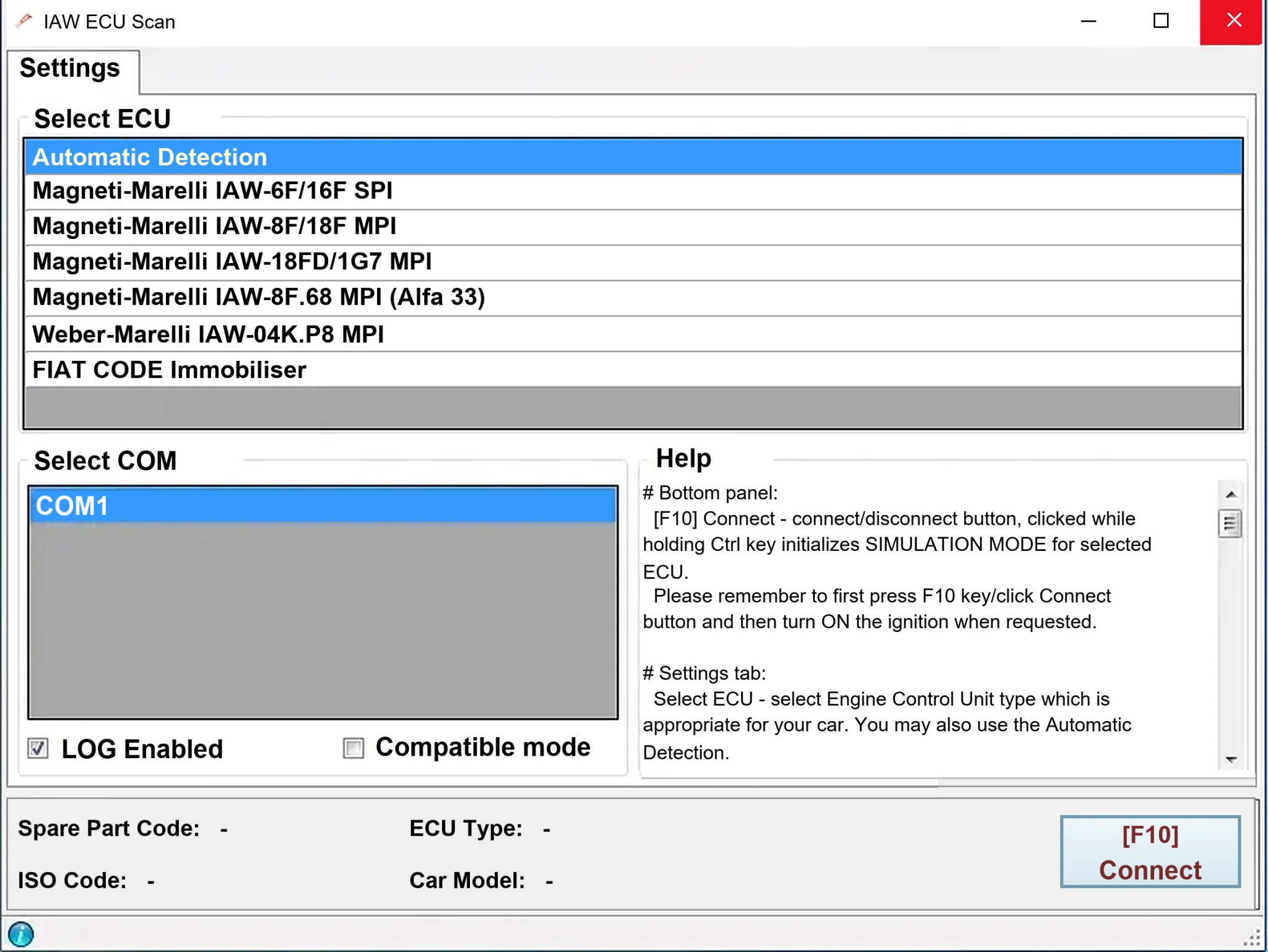
Windows diagnostics for selected legacy Magneti Marelli IAW ECUs in Fiat, Lancia and Alfa Romeo vehicles, using a KKL K-line interface for identification, faults and live data.

Windows map and axis detection for supported Siemens PPD/SID full BDM binaries, with table and 3D views, DTC analysis and XDF/A2L definition export.
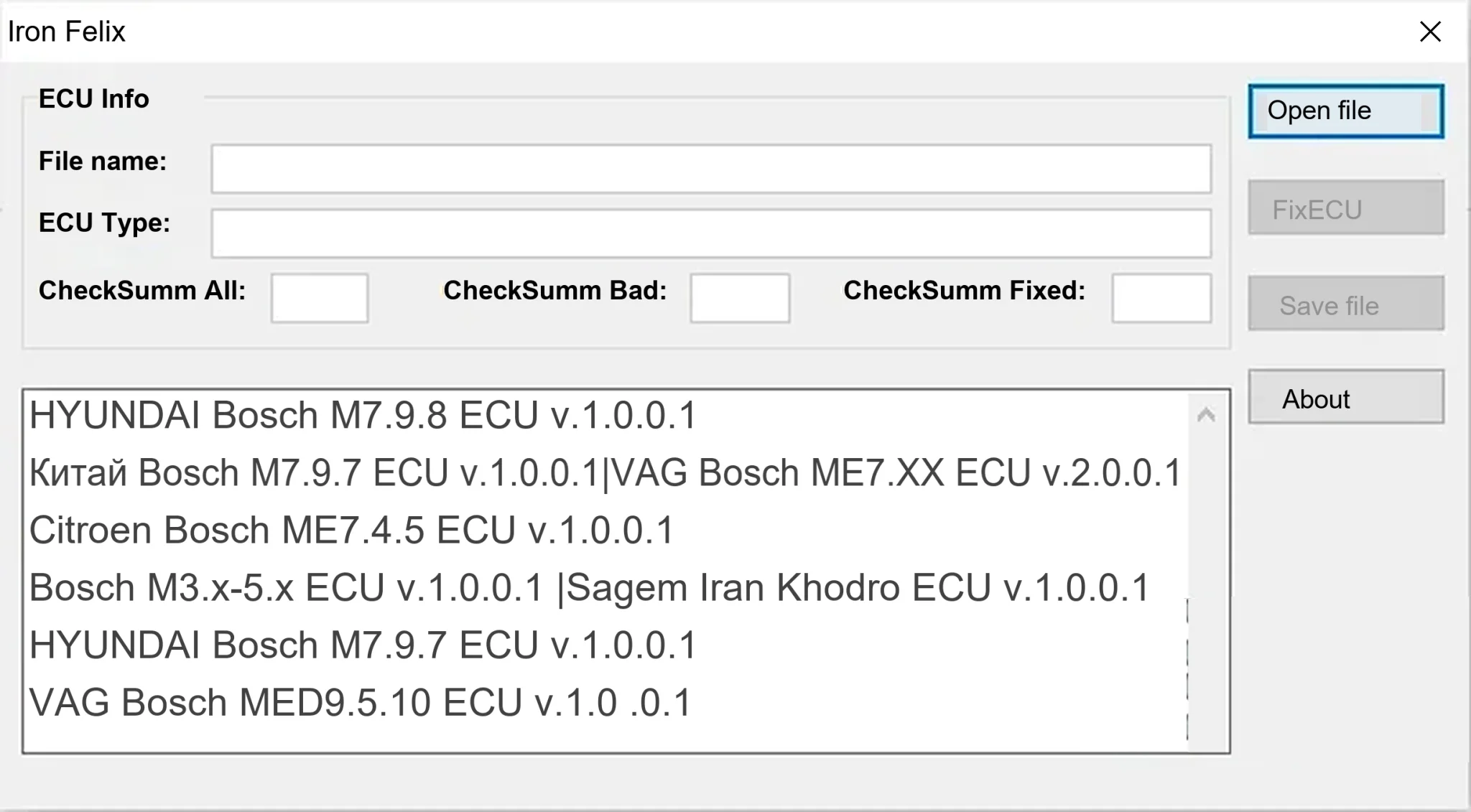
Offline Windows checksum inspection and correction for recognized Bosch and Sagem petrol ECU binaries, with eight supplied modules and All, Bad and Fixed counters.